The RSS Renaissance and the Right to Attention
The title comes from an article in WIRED – It’s Time for an RSS Revival.
Back when the internet was first taking off (roughly between 1999 and 2009), I was still in elementary and middle school. My understanding of the internet and web browsers didn’t go beyond just viewing web pages. It wasn’t until I got into web development that I realized what a brilliant invention RSS feeds were.
The idea of publishing web content in a standardized format back in 1999 so that other sites could consume it was amazing to me. It truly captured that open, sharing spirit of the web—even though looking back today, it feels painfully ironic.
I wonder if anyone else out there misses those simpler, unpretentious times as much as I do.
Nowadays, most people get their news and information through mainstream social media. We have shifted from actively seeking information to passively consuming it—scrolling through Facebook, checking Instagram, and then sliding over to Threads. What’s worse, the algorithms are designed to keep you hooked; after all, the platform’s primary goal is to maximize your time spent on it.
To be honest, I’ve fallen into this trap deeply myself. Time just vanishes while scrolling through videos and feeds. Even though I’ve tried hard to train the algorithm to show what I actually want, pointless junk videos still pop up now and then—things like dropping Mentos into Coke, bouncing ping-pong balls into cups, or high school girls doing cute dances.
Sure, watching some of those clips can be fun in the moment, but that joy is extremely short-lived. Once you watch one addictive junk video, you instinctively crave the next, and the next, and the next…
Closed Social Platforms
Whether it’s Facebook, Instagram, or Twitter, whenever you want to read a post without being logged in, you often can’t view it at all. Or they might only show a snippet and force you to log in to read the comments or the full text.
For people who don’t use social networks, this is deeply frustrating. Your content gets locked up inside the platform’s walled garden, completely contrary to the original ethos of the web.
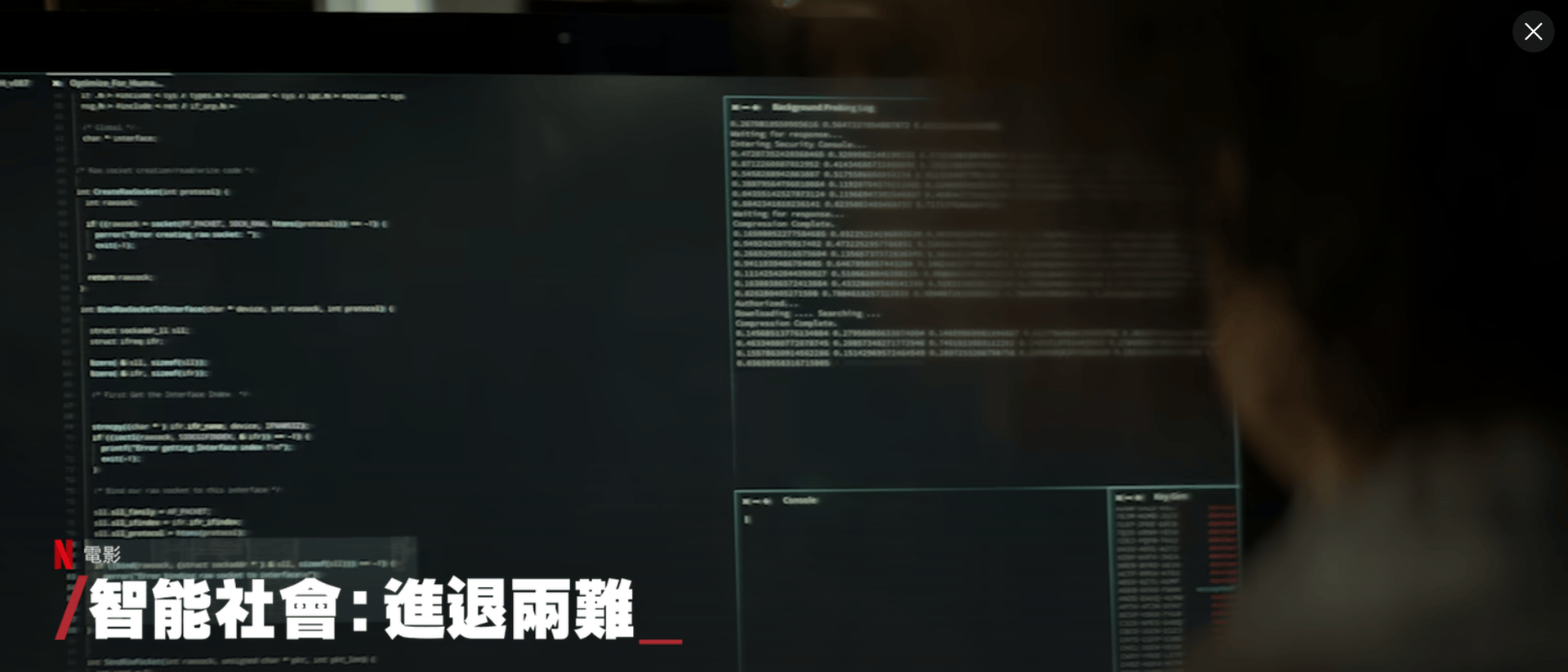
There is a Netflix documentary I really like called The Social Dilemma, which focuses on the impacts of social media algorithms and like buttons.
One quote from it left a deep impression on me:
“There are only two industries that call their customers ‘users’: illegal drugs and software.”
Admittedly, I’ve met some great friends through social platforms—people I even meet up with for meals. I don’t deny the human connections social media can bring, but we need to stay clear-eyed about the purpose of these platforms and understand the sacrifices we make while enjoying their conveniences.
Does Your Website Support RSS?
How can we break free from the shackles of social platforms? The answer is simple: don’t publish your content exclusively on social media.
Publish your content on a blog—preferably on your own domain and host (including rented hosting). That way, you won’t be constrained by algorithms, and your quality content won’t be trapped inside someone else’s platform.
Another approach is adopting more open platforms, like Mastodon or Bluesky. With Mastodon, anyone with a server can set up their own instance; Bluesky offers a completely free API and even lets you use the AT Protocol to listen for events and integrate updates into your own services.
Another essential step is supporting RSS whenever possible. When I build a blog or any content-driven website, the very first thing I consider is RSS, and ideally providing full-text feeds. Some feeds intentionally truncate article content, forcing you to visit the original site to read the rest.
I personally really dislike that practice. A big reason for subscribing to RSS is having control over how you consume content—whether that’s in Discord, an RSS reader, or even the terminal (okay, the terminal might be a bit extreme). But if you can’t view the full text, you still have to open a browser anyway.
What if a site you love doesn’t support RSS? The open-source project RSSHub solves this exact problem. You define how the data is extracted, and RSSHub generates an RSS feed for you.
Find creators you love and subscribe to their RSS feeds. If they don’t have one, send them an email letting them know how important it is. In doing so, you take back control from social platforms.
Well-known services like Inoreader or Feedly work great. And if you enjoy my blog and articles, you’re more than welcome to subscribe via RSS too!
RSS: Ideals and Reality
At its core, RSS is simply a format specification. Once published, services that consume RSS feeds fetch the XML file and render it on their user interfaces.
This minimalist design shows its limitations in modern times. The web has evolved to include countless interactive elements, and XML can only represent so much. For posts that rely on more than just plain text and images, readability inevitably suffers.
As content volume explodes, RSS readers without filtering, categorization, or AI summaries can easily leave you overwhelmed. Filtering itself is an algorithm; without any filtering, you still face an endless sea of content.
Still, there is a fundamental difference compared to social media platforms: you determine the filtering criteria, and the sea of content comes from feeds you chose to subscribe to. Even if you don’t read every post, it’s at least content you hand-picked.
Where do you find high-quality RSS feeds in the first place, then? Often, you find yourself searching for a needle in a haystack on social platforms again, or hoping RSS services will curate them for you. In my opinion, the best way is to become a high-quality creator yourself—over time, you’ll naturally attract equally great creators ❤️.
Follow
Follow is an RSS service currently in development by DIYGod, who also created RSSHub and xLog. It has gained a lot of traction on Twitter recently, with many people asking for invite codes to try it out. (Though ironically, I only discovered it because I saw it on Twitter 😂.)
Beyond standard RSS reader features, it includes a token-based reward system, and the UI looks fantastic. I haven’t tried it myself yet, but I’m looking forward to its official launch!
The Fight for the Right to Attention
I really like the essay The Sixth Estate by leafwind, where they write:
If the Fourth and Fifth Estates represent the right to “freely publish content,” then the Sixth Estate (the right to attention) is “the right to control what you see”—and the loss of this right to attention is the most serious issue in media today.
The article also shares practical ways to put this into practice, and I highly recommend reading it!
Twitter used to be my favorite social platform—a place where I could freely vent, complain, share tech insights, and bounce ideas around. But now, my feed is flooded with ads and terrible, clickbait short clips that exploit attention. Yet, I still find myself clicking on them. And whenever I post something, I get overly obsessed with the like count.
I want to step away from these toxic algorithms and platforms, and I want to share with you just how important it is to recognize this problem. What you consume inevitably shapes your thoughts over time. Seeing glamorous lives on social media makes you feel inadequate, making you forget that everyone faces their own hidden struggles in life.
Finally, there’s something I’ve been gradually putting into practice since last year: reaching out via email to developers and creators I’ve long admired. It lets them know there are people supporting them, which serves as an essential source of creative motivation. Even though I haven’t received many myself, feeling appreciated and knowing that my articles or services have helped someone brings me genuine joy!
Related Posts
- How to Prepare for Software Engineering Interviews Preparing for tech interviews has always been challenging. One of the most frustrating parts is the heavily one-sided power dynamic. As a candidate, it's hard to gauge their actual standards, and it's easy to spiral into self-doubt afterward. Let's talk about it.
- Words That Changed My Outlook on Life Feynman, Chaplin, and the movie Hyakumeter: from an insecure boy to someone capable of helping others, sharing the reflections and life philosophies that shaped me most.
- N Benefits of an Independent Website Why spend time running your own blog in an era dominated by short-form video and social media? Here are my thoughts after nearly a decade of blogging.
- Reflections on Fitness and Weight Training Sharing my thoughts and journey with weight training over the past period.