Hiroshima and Onomichi
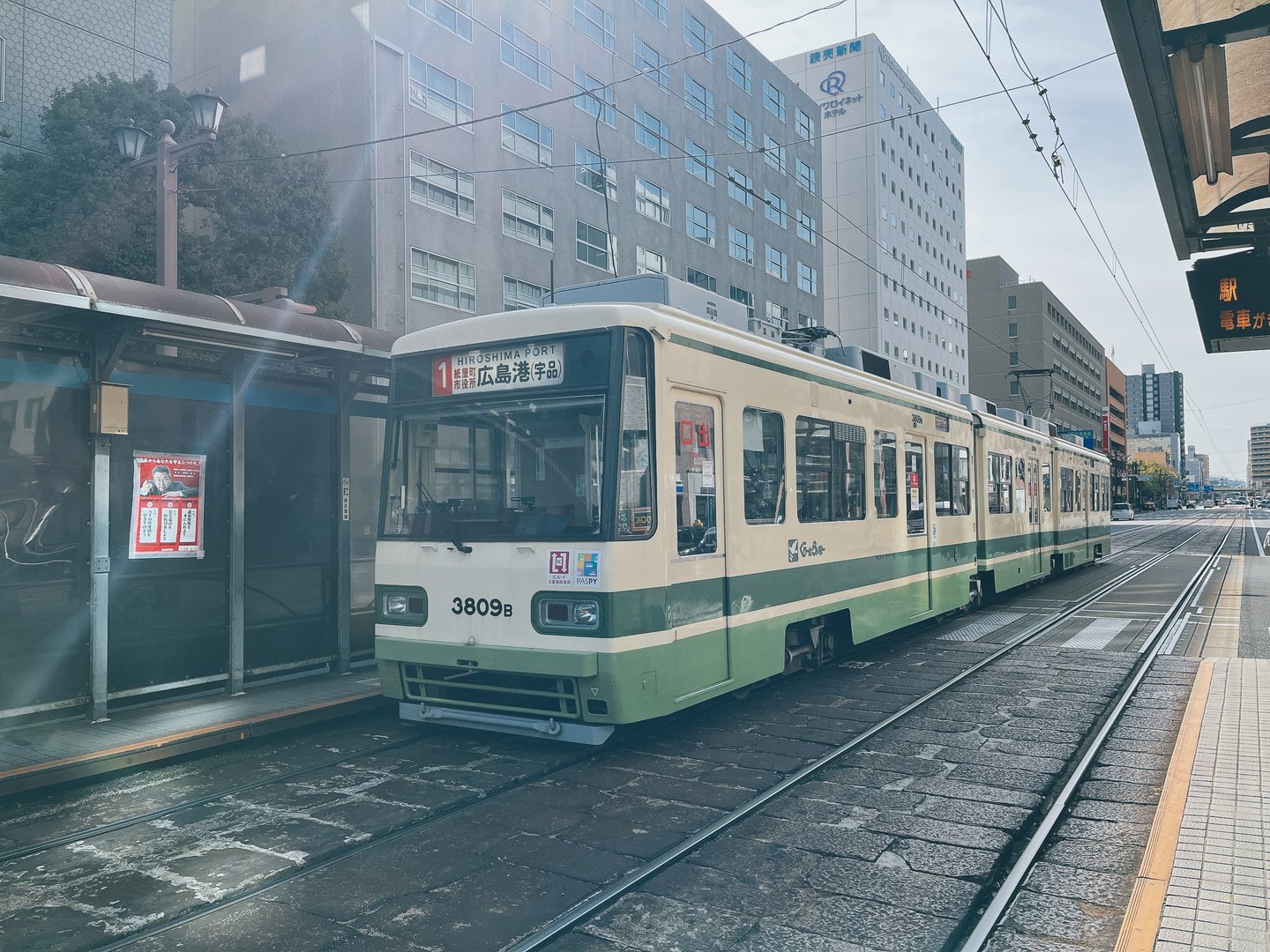
I love Hiroshima and Onomichi; they are usually the first places that come to mind whenever I want to get away and clear my head. How should I put it? Watching the streetcars rumble through the streets of Hiroshima gives off an unmistakable Showa-era vibe—leisurely, stopping at red lights right alongside regular cars. Hopping onto a streetcar just to wander aimlessly around the city, then hopping off to duck into back alleys in search of cozy, atmospheric cafes—I absolutely love this kind of nonbiri (laid-back) pace.
Hiroshima

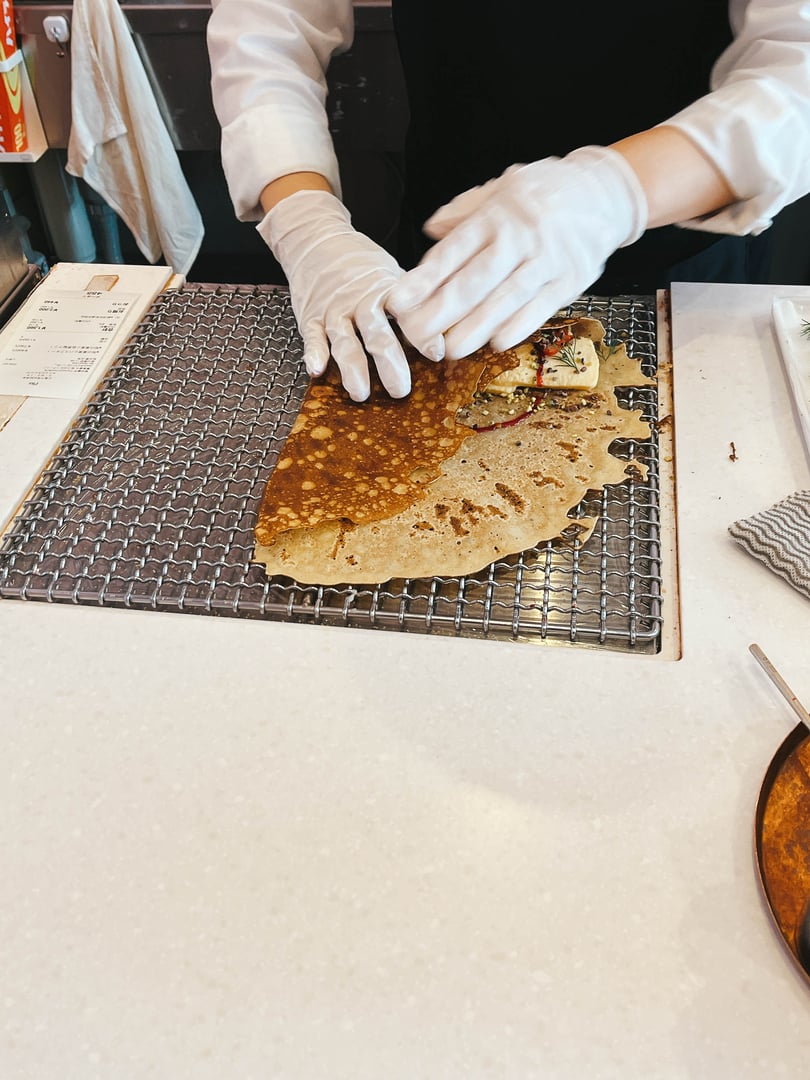
Taking the streetcar from Hiroshima Station to Hatchobori brings you to an area packed with department stores and shopping arcades—it’s great for browsing. I also recommend trying Hiroshima-style monjayaki.
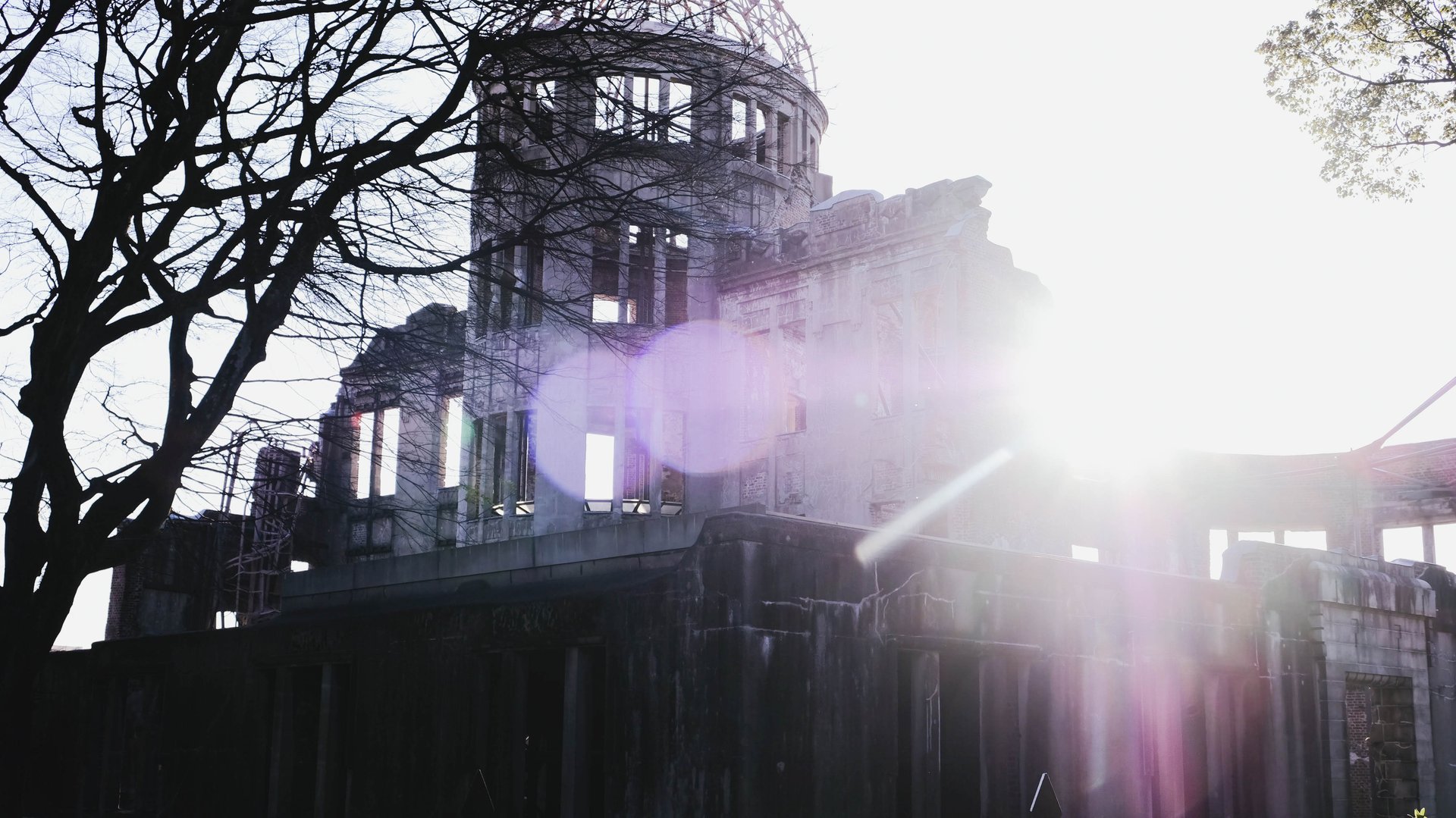
Another place in Hiroshima well worth visiting is the Peace Memorial Park and the Hiroshima Peace Memorial Museum; the architecture is striking. The devastation brought by the atomic bomb was terrifying, but I often think about how history can be viewed from so many different angles. For example, what would have happened if the United States hadn’t dropped the atomic bombs?
During WWII, one of the fiercest struggles between Japan and the US was the Battle of Iwo Jima. Although the Japanese forces were at a clear disadvantage, they fought to the bitter end and refused to surrender, committing massive resources prepared to battle down to the last soldier. For the US military, taking Iwo Jima resulted in massive casualties just securing the beachheads. While they eventually succeeded in taking Iwo Jima and Okinawa, American losses were catastrophic, leaving many US soldiers wanting nothing more to do with the war.
If MacArthur hadn’t stepped in back then to hand Japan its postwar constitution, would Japan be what it is today? Of course, this is all hindsight, but pondering these questions while riding the streetcar is fascinating. I’m also just grateful to have been born into a relatively peaceful era and country.
Itsukushima Shrine
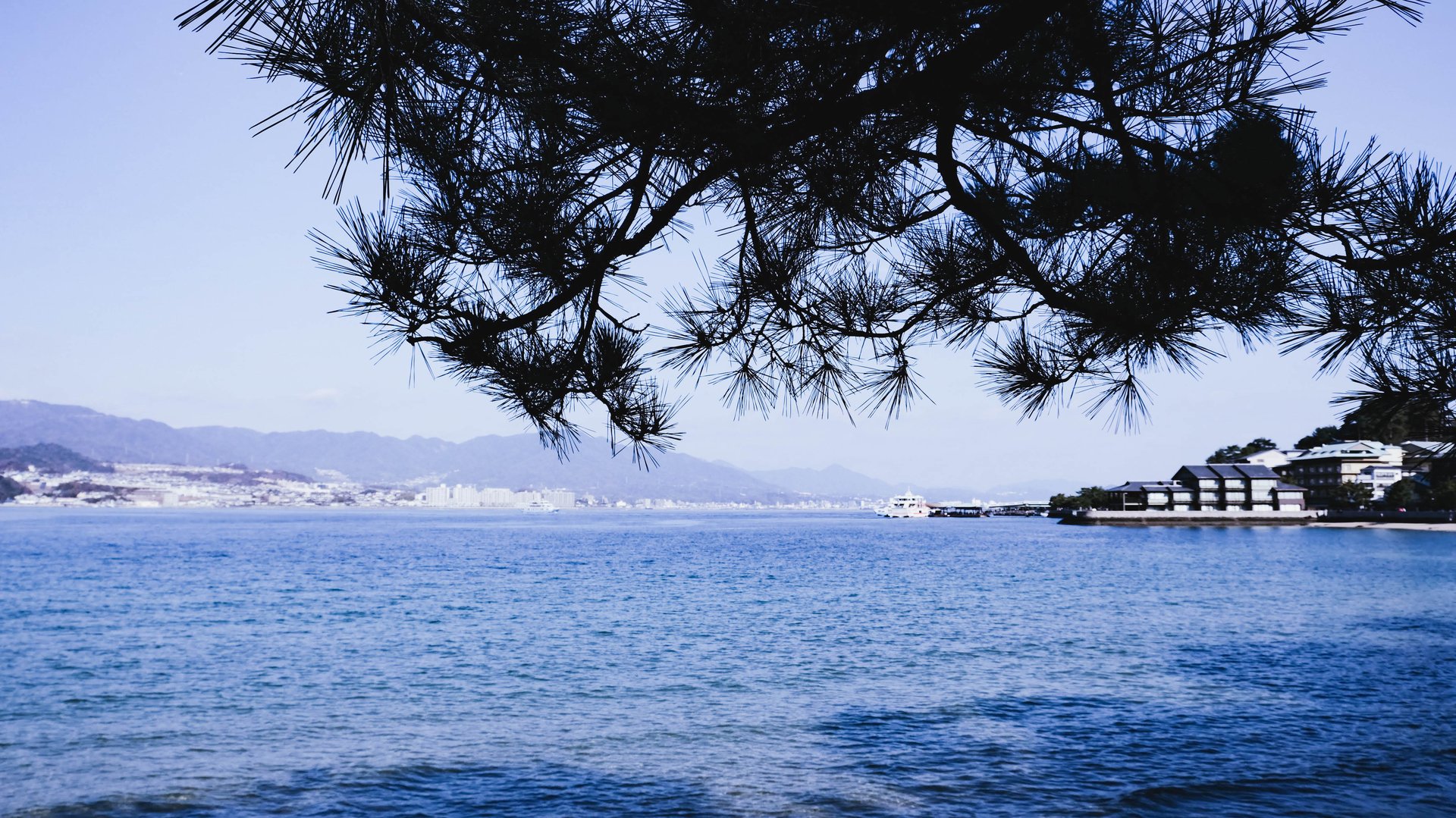
A staple of any Hiroshima itinerary is, of course, Itsukushima Shrine! This was my second visit. Walking around here is very pleasant, though the shopping street is almost entirely tourists, and the shop prices are definitely tourist prices. The oysters were delicious, though—plump and juicy.
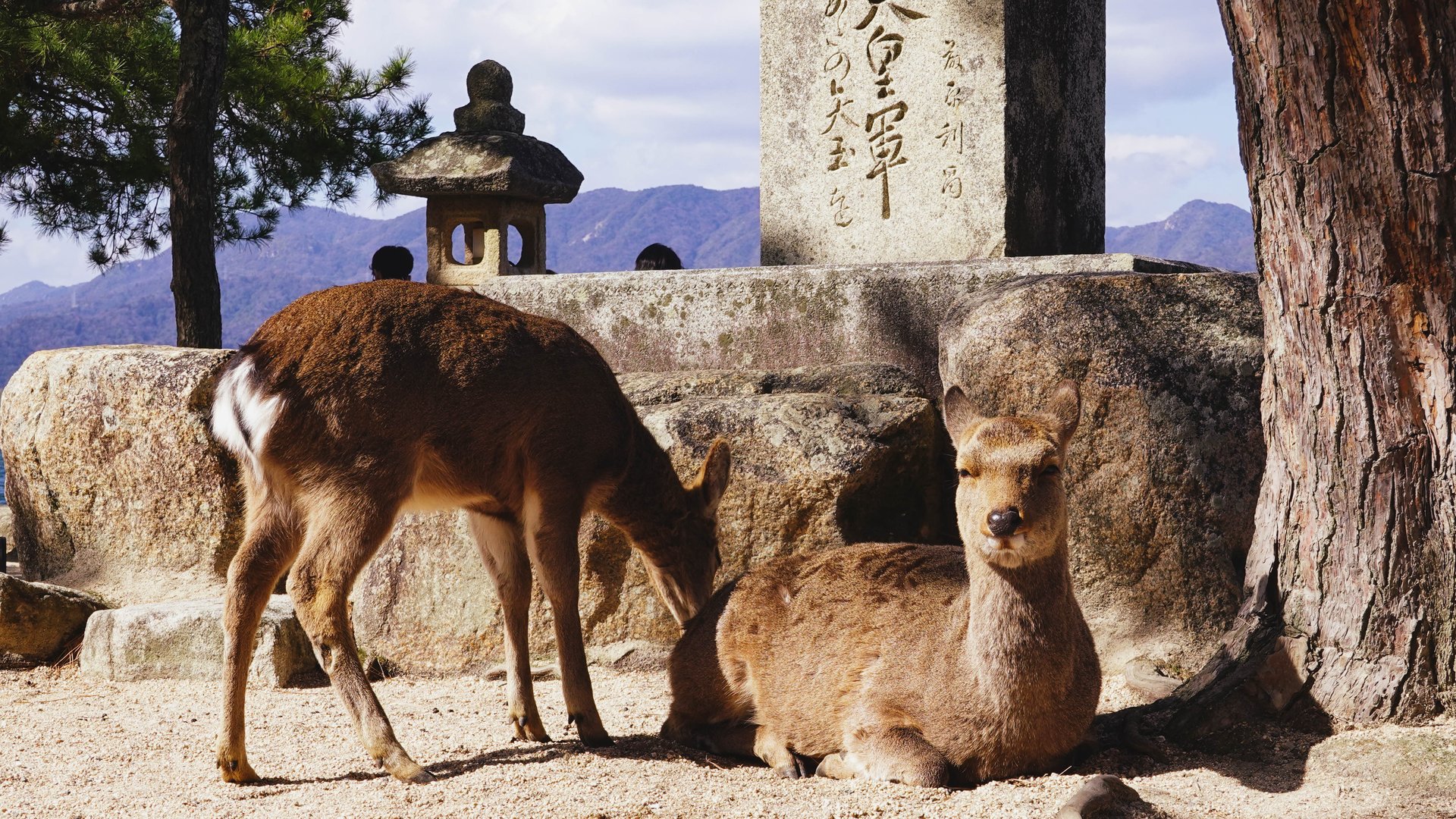
As you walk along, you’ll see groups of deer roaming casually, just like in Nara. However, you’re not allowed to feed the deer here. Also, the deer here are far more aggressive than those in Nara. We watched firsthand as a deer tried to snatch food straight from a passerby, brazenly headbutting them with its antlers! While some deer in Nara will bow and mimic humans, the deer here fight dirty.
Onomichi
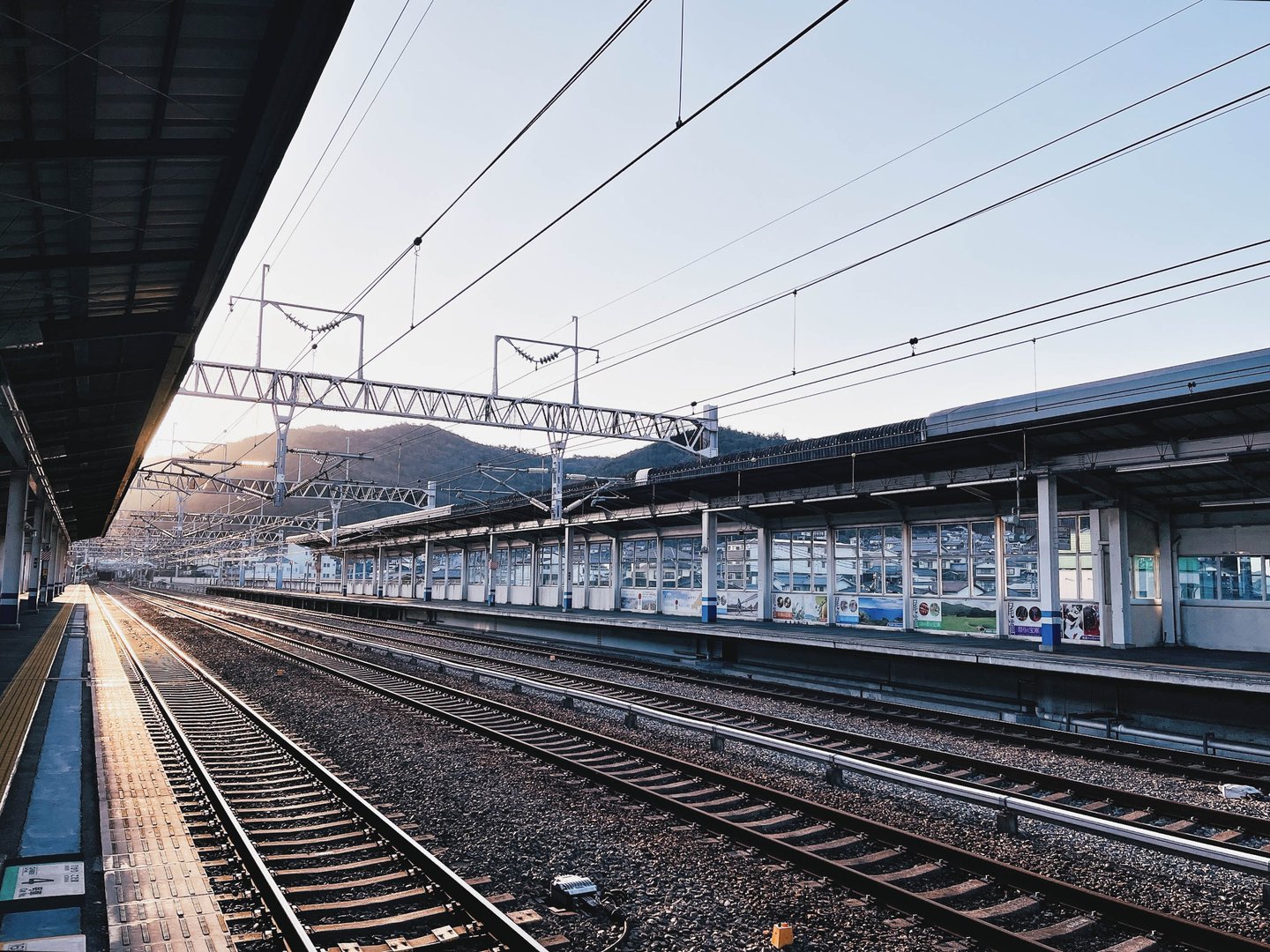
Onomichi is about a 40-minute Shinkansen ride from Hiroshima. Keep in mind, however, that Shin-Onomichi is a smaller station, so bullet trains don’t stop as frequently as they do at major hubs. If you don’t check the timetable ahead of time, you might end up stranded waiting on the platform. Onomichi is an even quieter, more relaxed town set farther away from urban hustle. It is filled with nostalgic streets, retro shopping arcades, and the famous Cat Alley—making it the perfect place to spend a whole day wandering without a set destination.
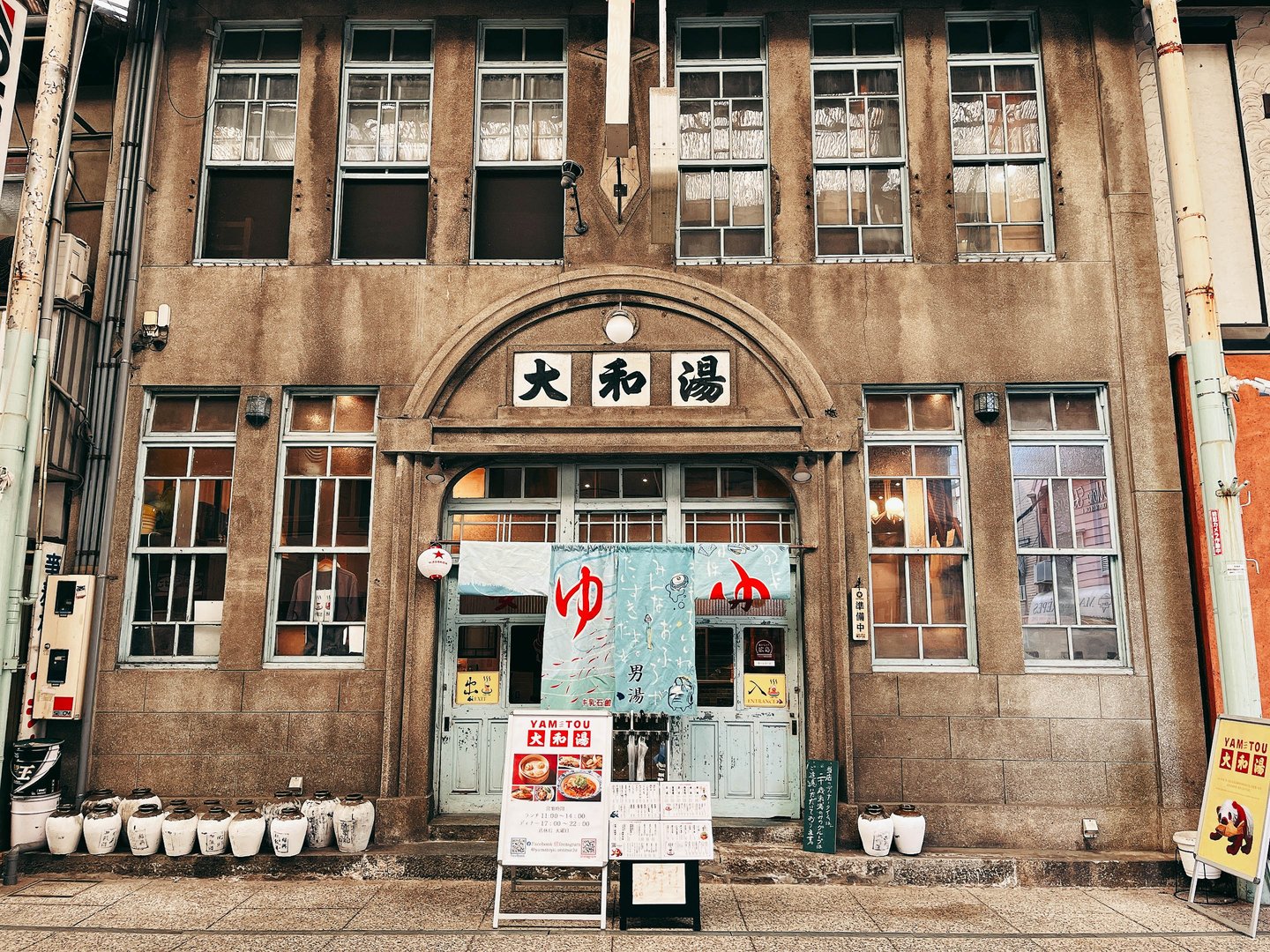
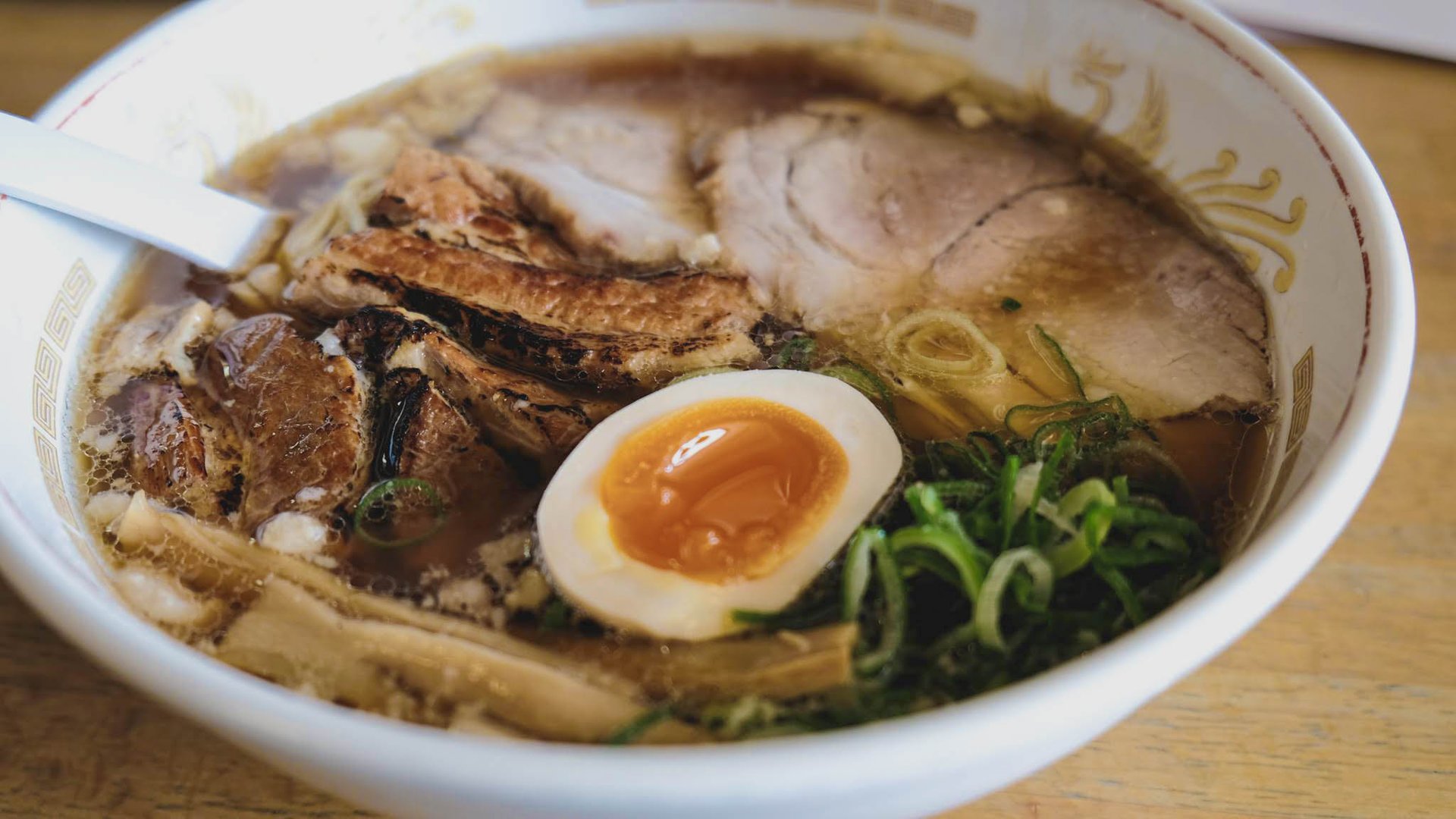
When in Onomichi, don’t miss out on Onomichi ramen. Its signature feature is a broth laced with minced pork backfat, and some shops will even top it with a hearty chunk of braised pork like this. The flavor isn’t overly heavy, and the familiar minced pork taste actually feels quite reminiscent of Taiwanese food. In my opinion, you don’t need to stress over which shop to pick—just open Google Maps and head to whichever place has open seats; you won’t go wrong.
Cat Alley (Neko no Hosomichi)
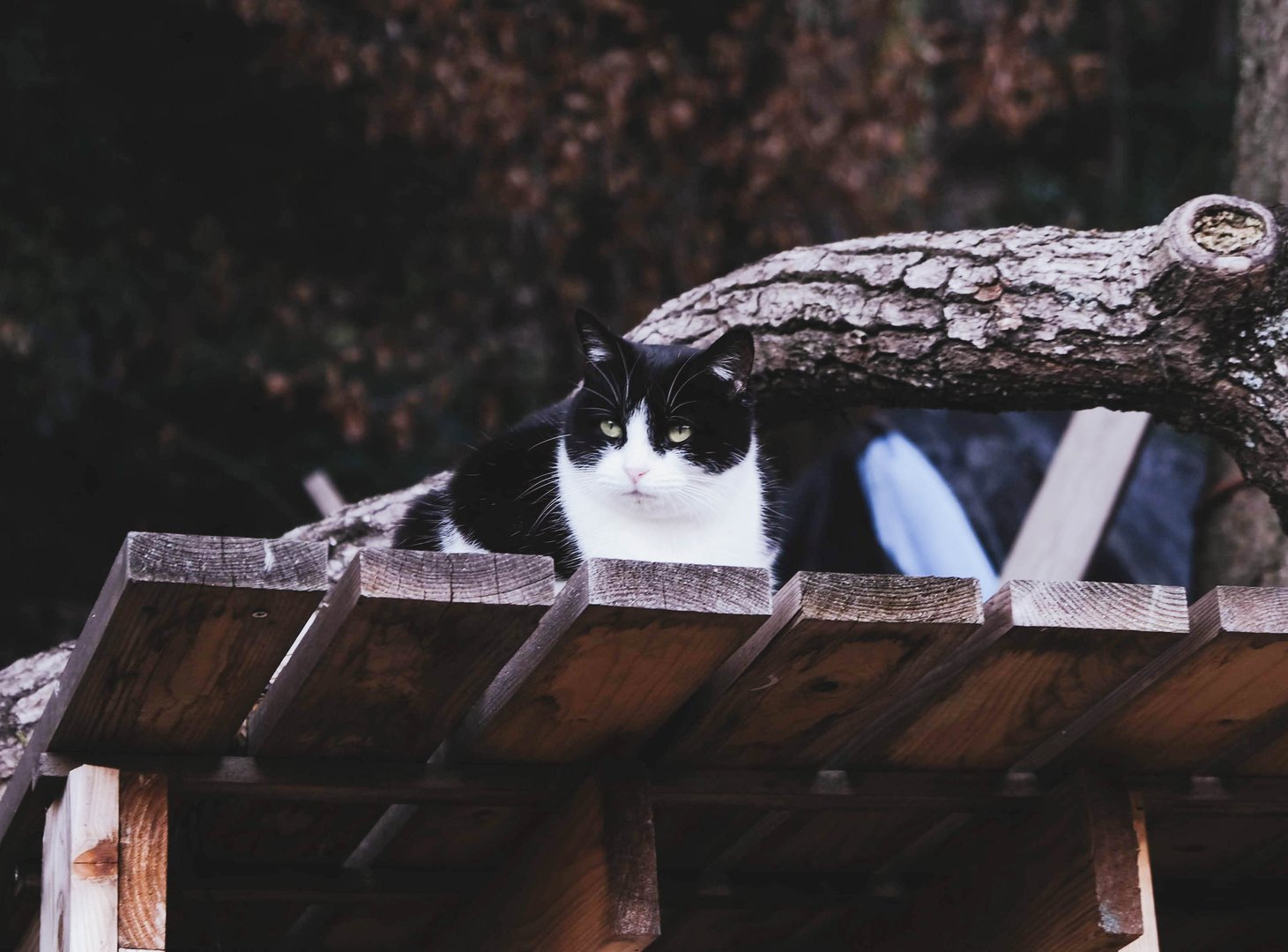
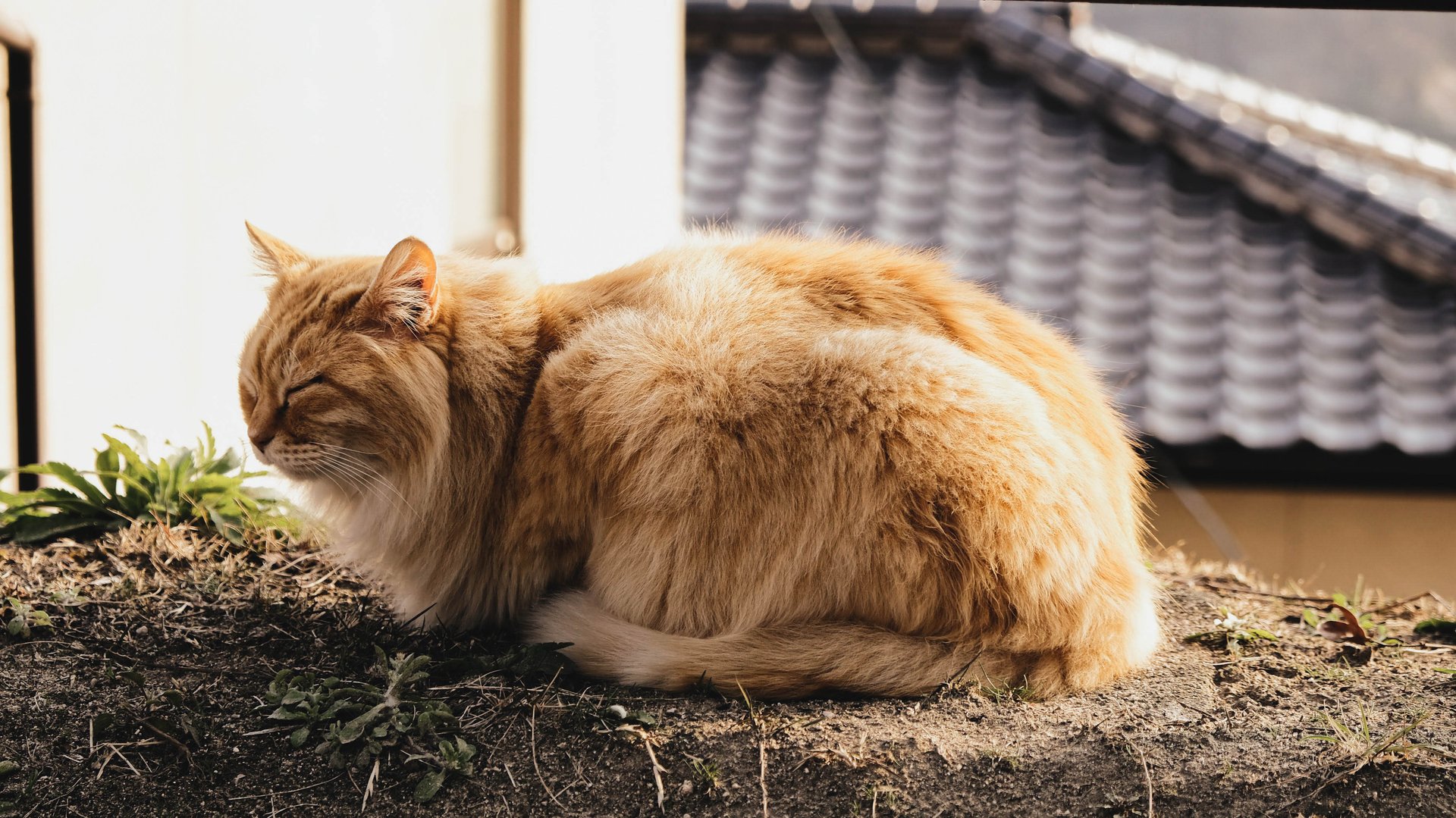
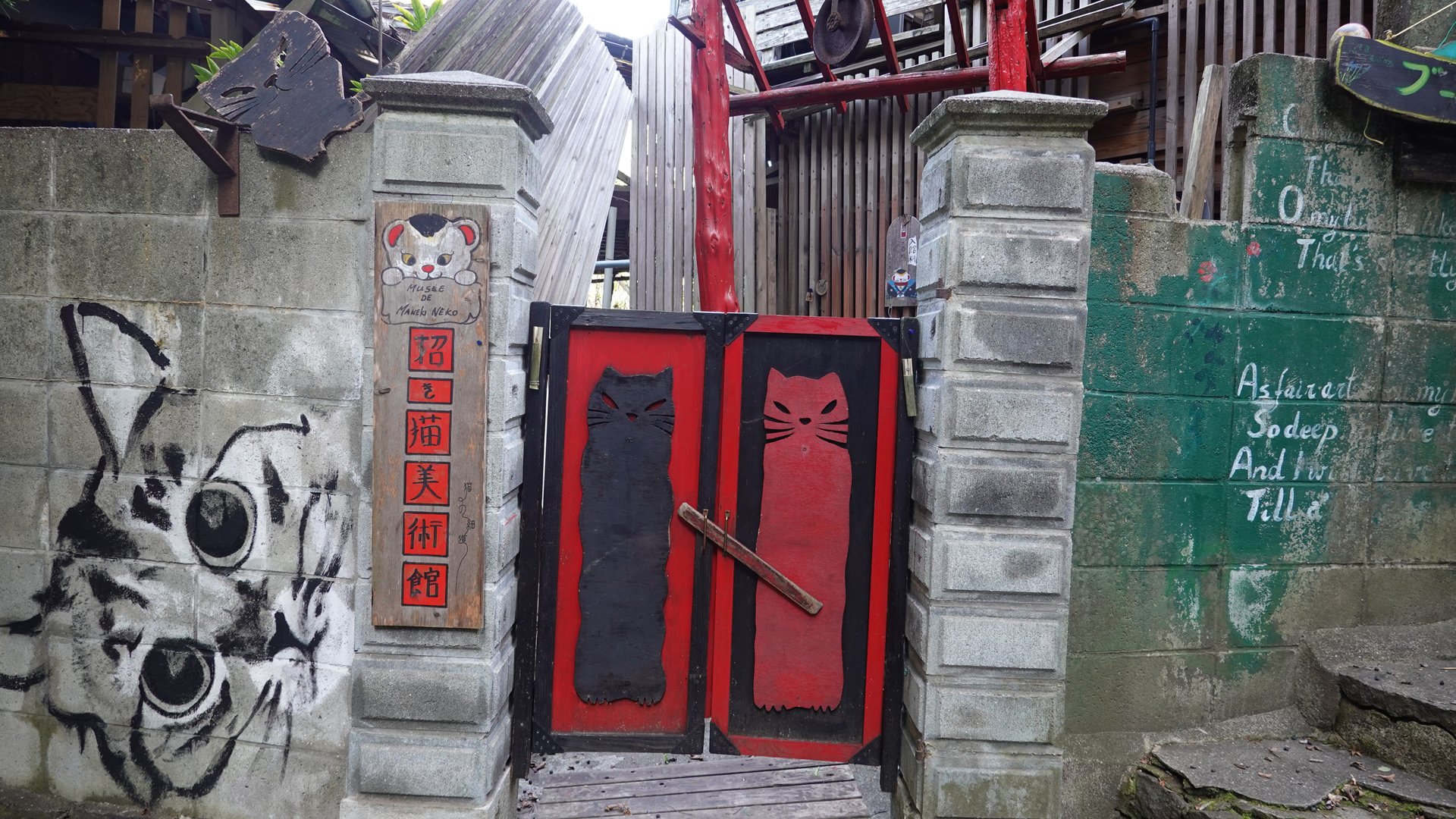
Cat Alley is also near Onomichi Station, easily accessible on foot. It feels more like an artsy pathway lined with various cat-themed murals and artwork. It is said to have gained fame after artist Shunji Sonoyama began placing his painted “Fukuishi Neko” (fortune stone cats) along the lane. You can also spot real cats that reside here, though their whereabouts are quite unpredictable—on our last visit, we didn’t manage to spot a single one.
Hiroshima Carp
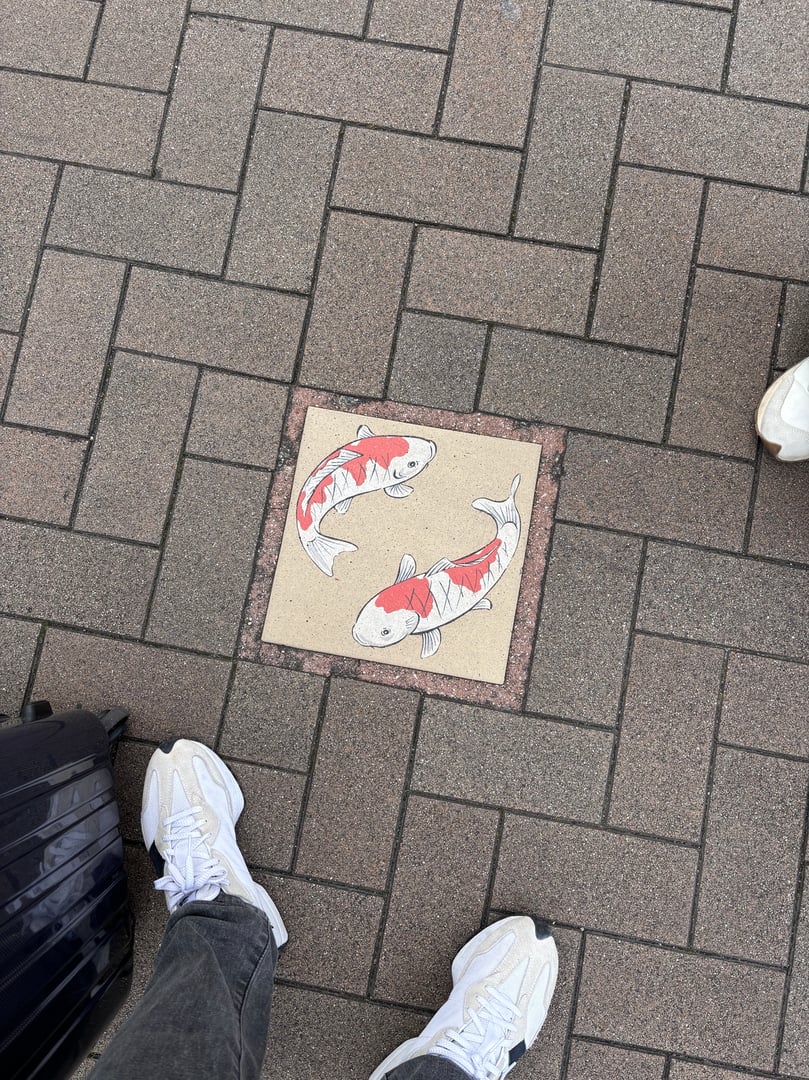
By the way, this last topic is something mainly baseball fans or those familiar with Japan might know. Hiroshima has a renowned professional baseball team called the Hiroshima Toyo Carp (広島カープ), originally founded with funding from Hiroshima City, the Hiroshima Prefectural Government, and others. Because of this, when you ride the streetcars, you’ll sometimes see entire trains fully wrapped in the team’s logo, and even the local manhole covers feature the Carp motif.
The name “カープ” (Kāpu) is directly adapted from the English word “Carp.” In Japanese, carp (koi, 鯉) happens to be a homophone with both “love” (こい / 恋) and “intense/deep” (濃い). Because of this pun, devoted Hiroshima Toyo Carp fans are often dubbed “koi fans” (濃いファン / passionate fans). Additionally, there is the popular phenomenon of “Carp Joshi” (カープ女子), referring to the team’s enthusiastic female supporters. All in all, it’s a fun wordplay woven right into the local culture.